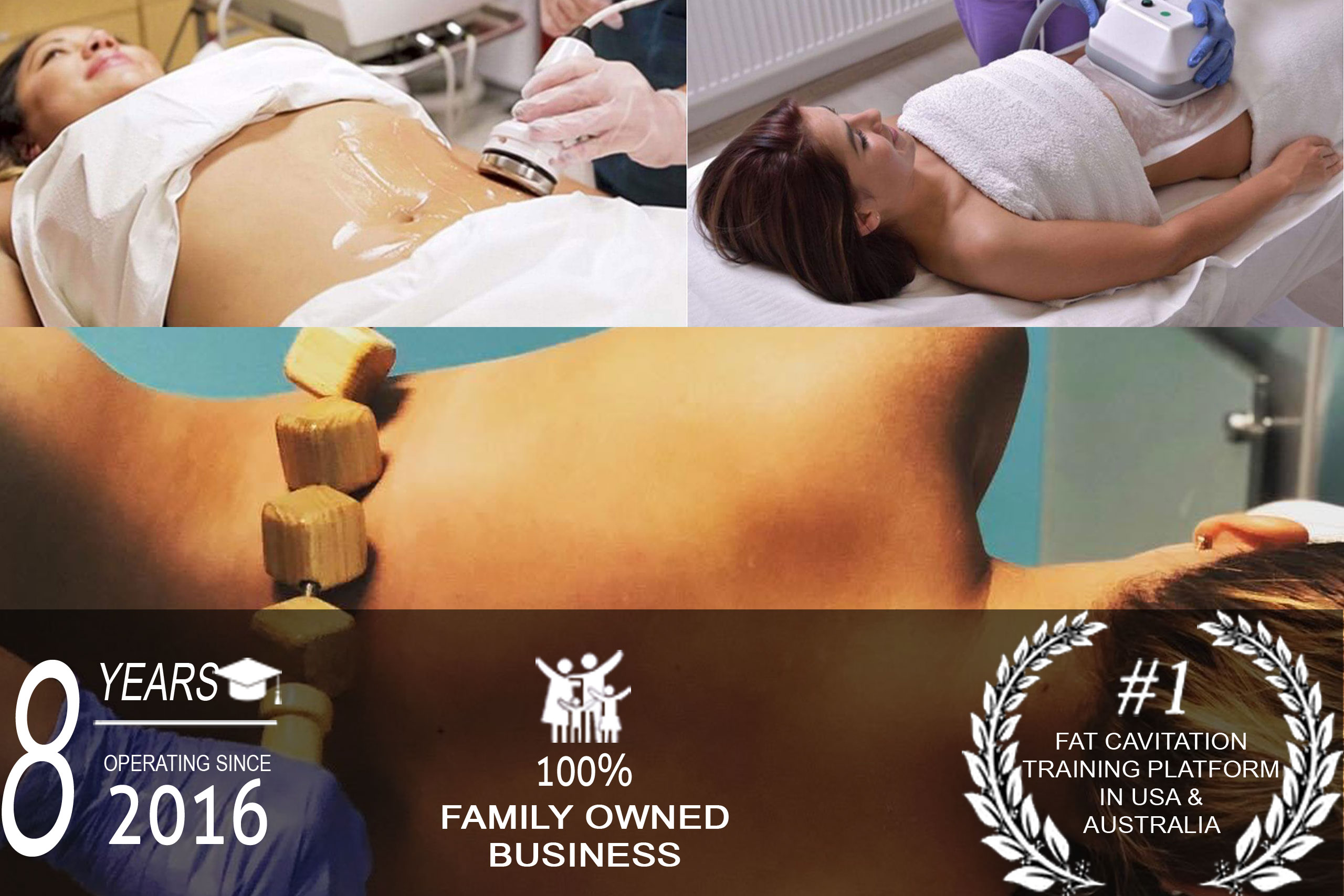
Body contouring occupies an unusual space in the professional world. It is a rapidly growing industry with significant revenue potential, but the regulatory environment varies enormously from country to country and even state to state.
This article helps you understand the regulatory landscape and what it means for your practice.
Why Body Contouring Regulation Is Complex
Body contouring sits at the intersection of beauty, wellness, and medicine. Most treatments are non-invasive and are delivered in beauty clinics rather than medical facilities. But the same treatments can be positioned very differently:
- A cavitation machine used in a beauty clinic for cosmetic fat reduction
- A similar device used in a medical practice under medical supervision for therapeutic fat reduction
The regulatory classification often depends on how the treatment is described and marketed, not just what the device does.
The Spectrum of Regulation
Regulation in body contouring exists on a spectrum:
Minimal Regulation
Many non-invasive treatments — wood therapy, pressotherapy, vacuum therapy BBL, manual massage-based contouring — have very little formal regulation in most jurisdictions. Anyone can legally perform them, though insurance requirements still apply.
Moderate Regulation
Cavitation, EMS, radiofrequency, and LED treatments are typically treated as cosmetic beauty treatments and do not require medical licensing in most regions. However, insurance requirements and duty-of-care obligations still apply.
Higher Regulation
Laser treatments, particularly those classified as class 3B or class 4 lasers, may be subject to radiation safety legislation and require specific operator licensing in some jurisdictions. Cryolipolysis devices that are FDA-cleared or TGA-registered may carry stricter usage obligations.
The Insurance Imperative
Regardless of formal regulation, the practical threshold for professional operation is insurance. Without appropriate professional indemnity and public liability insurance, you cannot safely take paying clients. And without proper training from a recognised provider, you cannot get that insurance.
This means the pathway to professional practice is:
1. Train with a CPD accredited provider
2. Obtain insurance using your training certificates
3. Begin operating professionally
What "CPD Accredited Provider" Means
Body Contouring Courses is a CPD accredited provider. This is an organisational accreditation recognising the training provider meets standards for continuing professional development. Students receive a certificate of completion — not a government licence — but this certificate is what insurers and professional bodies recognise.
Summary
Body contouring is not uniformly regulated, but it is also not an unregulated free-for-all. Insurance requirements effectively create a professional standard: train properly, get covered, operate safely. Understanding where your specific treatments sit on the regulatory spectrum allows you to operate confidently and legally.