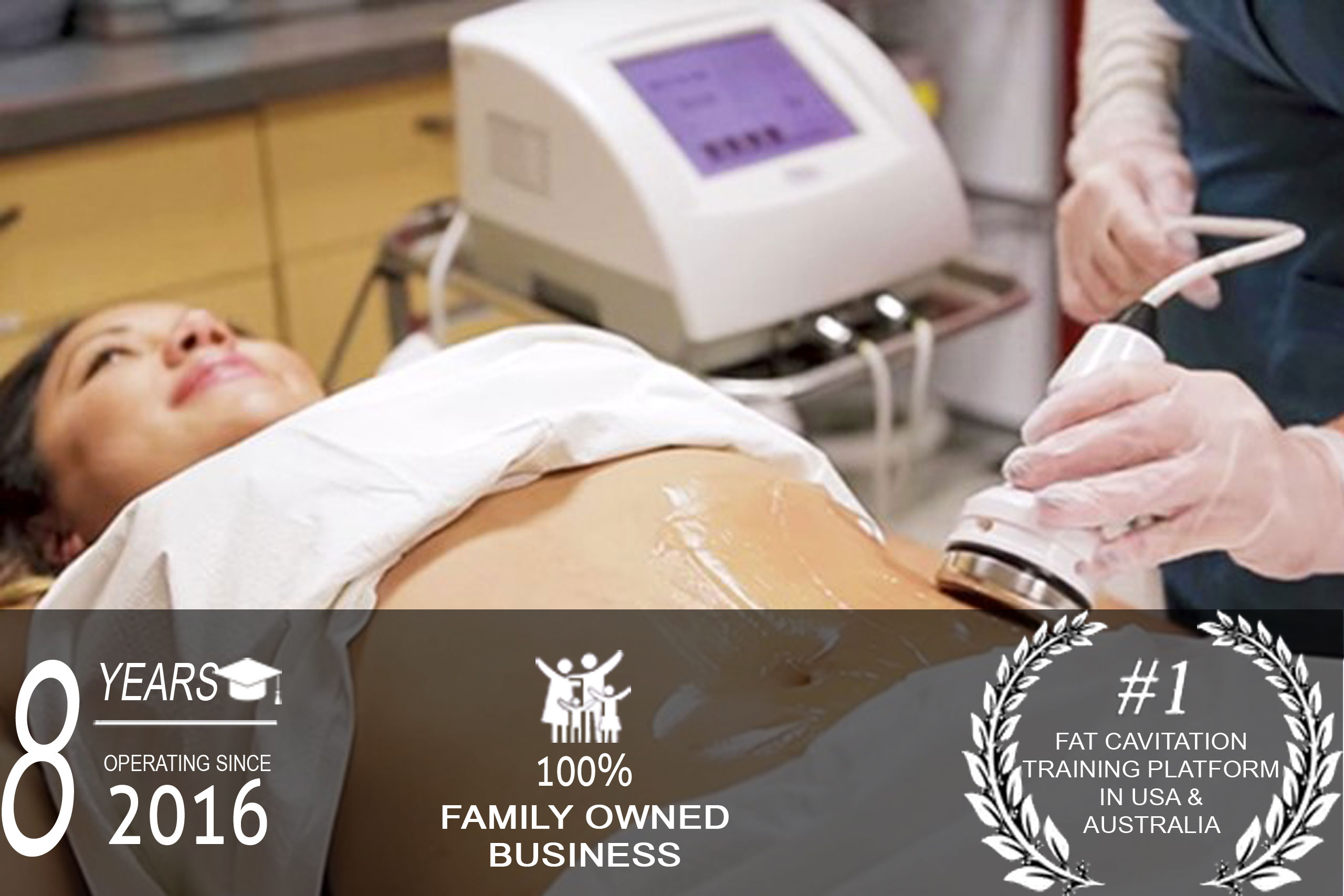
Ultrasonic cavitation and laser lipo are two of the most popular non-invasive body contouring treatments. Many practitioners want to know which to offer first — or whether to offer both. Here is an honest comparison.
How Each Treatment Works
**Ultrasonic cavitation** uses low-frequency ultrasound waves to disrupt fat cells, which the body then processes naturally over time.
**Laser lipo** (low-level laser therapy, or LLLT) uses laser energy to stimulate fat cells to release their contents, which the body then metabolises.
Both are non-invasive, require no downtime, and are applied to the surface of the skin.
Key Differences
| Feature | Ultrasonic Cavitation | Laser Lipo |
| --- | --- | --- |
| Technology | Ultrasound waves | Low-level laser |
| Sensation | Mild warmth, buzzing sound | Warmth, very comfortable |
| Best for | Localised fat, body shaping | Inch loss, gentle contouring |
| Typical sessions | 6–12 | 6–12 |
Which Should You Offer?
Many successful clinics offer both, because they complement each other and can be combined into packages. Cavitation is often chosen for stubborn localised fat, while laser lipo is popular for gentle, comfortable inch-loss treatments.
If you are starting out, cavitation equipment usually has a lower entry cost, making it a common first treatment. Laser lipo is an easy add-on that increases your package value.
Getting Trained in Both
Body Contouring Courses is a CPD accredited provider offering separate cavitation and laser lipo training, as well as a 10-in-1 bundle that covers both and more. You receive a certificate of completion from Body Contouring Courses for each treatment you train in, which supports your insurance applications.
Summary
Neither treatment is universally "better" — they serve slightly different goals. Offering both lets you build stronger packages and serve more client needs.