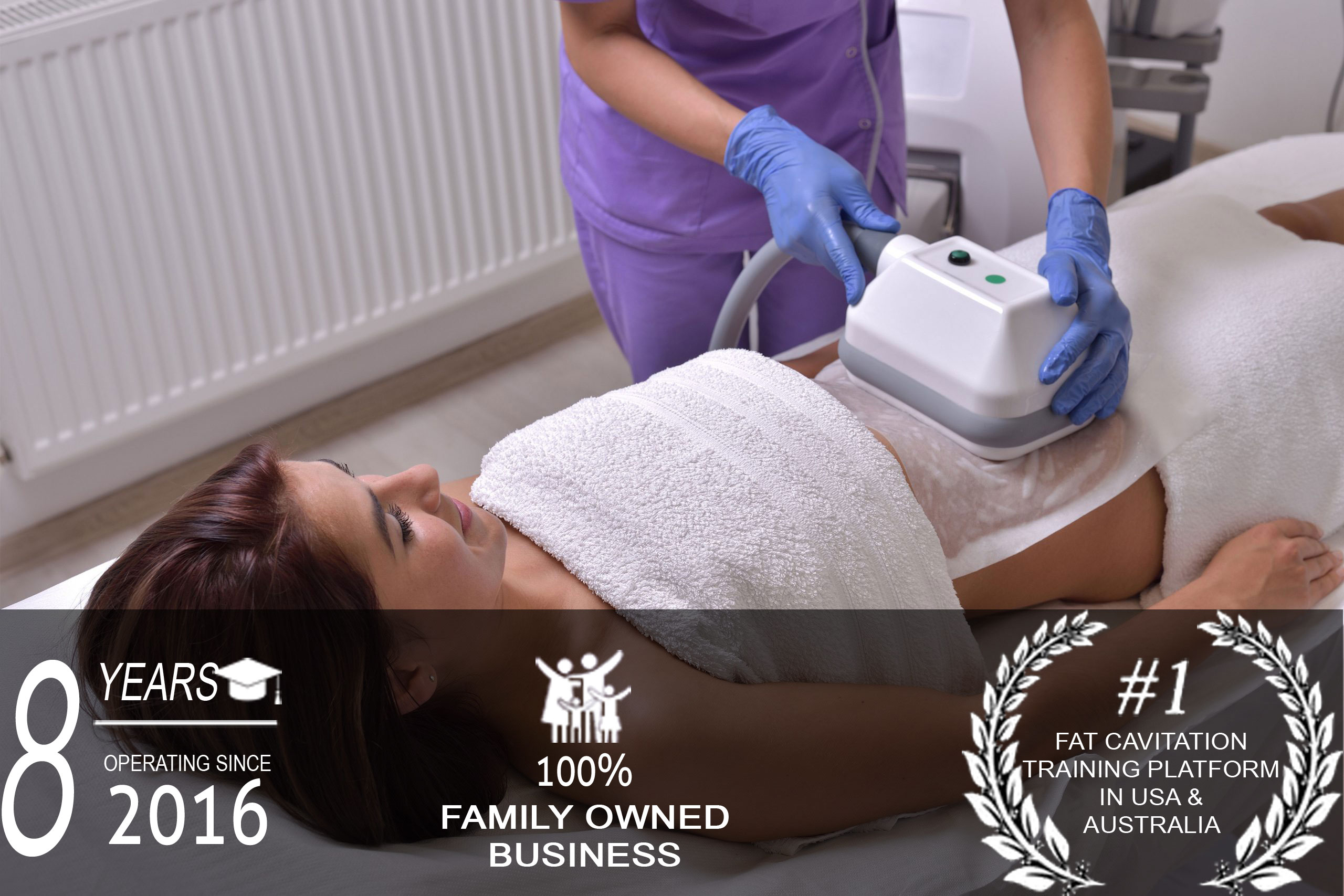
CoolSculpting is the best-known brand name in fat freezing (cryolipolysis). Many practitioners ask whether they can get CoolSculpting certified online and what the difference is between branded CoolSculpting training and general fat freezing certification.
What Is CoolSculpting?
CoolSculpting is the brand name for a specific FDA-cleared cryolipolysis system manufactured by ZELTIQ Aesthetics (now owned by AbbVie). It is one of the most recognised consumer brands in the non-invasive body contouring space.
Is CoolSculpting Training Available Online?
CoolSculpting provides its own training to practitioners who purchase their system. This training is typically provided by the CoolSculpting manufacturer or its authorised distributors and is tied to the purchase of the proprietary device.
CoolSculpting as a branded system is generally restricted to medical clinics, cosmetic surgery practices, and high-end medical aesthetic centres in many markets. Access to official CoolSculpting training is usually contingent on purchasing the device, which is significantly more expensive than non-branded cryolipolysis systems.
General Fat Freezing Certification vs CoolSculpting Certification
For most beauty professionals and clinic owners, the relevant training is general cryolipolysis and fat freezing certification — covering the science, protocols, contraindications, and machine operation for non-branded fat freezing devices.
General fat freezing certification from a reputable CPD accredited provider:
- Covers all the same scientific principles as CoolSculpting
- Is applicable to the non-branded fat freezing machines used in most beauty clinics
- Is accepted by specialist treatment insurance providers
- Can be completed online without purchasing an expensive proprietary system
Body Contouring Courses Fat Freezing Certification
Body Contouring Courses offers the Fat Freezing — Cryolipolysis Certification as part of our comprehensive online training programme. The course is delivered by a CPD accredited provider and covers:
- The science of cryolipolysis and fat cell biology
- Applicator types and their applications
- Contraindications and client screening
- Treatment protocols and session management
- Managing side effects and adverse reactions
Price: $98.50 USD, or included in the 10-in-1 Body Contouring Certification bundle ($198.50 USD).
Summary
If you are looking for general cryolipolysis and fat freezing certification online, a comprehensive course from a CPD accredited provider like Body Contouring Courses is the appropriate route. Official CoolSculpting training is brand-specific and tied to the purchase of that proprietary system. For most practitioners using non-branded fat freezing equipment, a quality general fat freezing certification provides the credentials, knowledge, and insurance documentation you need.
A practical next step for this topic
CoolSculpting is a branded system, not a generic name for every fat freezing device. General cryolipolysis training from Cryoform does not provide manufacturer-issued CoolSculpting certification or endorsement. If the job or device you are considering requires manufacturer training, contact that manufacturer about eligibility and authorised instruction before buying an unrelated course.
Compare the learning process, not just the certificate
Ask for the syllabus before buying a course. Identify which parts explain underlying principles, which demonstrate practical tasks and which address consultation, contraindications, hygiene, record keeping and aftercare. Check whether written material accompanies the videos and whether you can revisit the content. A short demonstration may be useful, but it should not be mistaken for a complete qualification or evidence of competence with every device marketed under the same treatment name.
Clarify how completion is recorded and what, if any, assessment is involved. Ask questions about unfamiliar terminology rather than treating the number of modules as a quality measure. The advertised study duration is not a promise that every learner becomes ready for independent practice within that time. Someone new to the field may also need foundational education, supervised experience, professional registration or device-specific instruction, depending on the intended work.
Build a learning log as you study. For each topic, note what you understand, what needs clarification and which information must come from the manufacturer, regulator or insurer. This turns a course comparison into a practical preparation plan. Keep a copy of the curriculum and certificate wording so you can describe the training accurately to an employer or insurer. Do not advertise a government licence, manufacturer endorsement or specialist clinical qualification that the course does not provide.
Plan practice without treating a video as permission
Separate learning about a service from offering it to the public. Before practical work, confirm that the setting, supervision, device instructions and participant arrangements meet the requirements for your role. A willing friend is not a substitute for a suitable learning environment, proper screening or insurance. Do not improvise a protocol from notes gathered across unrelated machines or assume that reducing a setting makes an unauthorised procedure acceptable.
Use a staged preparation checklist: understand the terminology; explain the consultation process; identify the relevant equipment documentation; recognise reasons to defer; and know who should be contacted when a question exceeds your competence. Those are learning objectives, not a claim that passing a checklist guarantees a safe outcome. Where an employer, professional organisation or device supplier requires a particular assessment, arrange it before taking responsibility for clients.
Review your public description of the service at the same time. Explain what it involves in plain language, avoid treatment or income guarantees and distinguish cosmetic goals from healthcare claims. A certificate of completion should be described as such. If training comes from a CPD accredited provider, that identifies the provider's status; it does not mean the individual course is itself accredited or that professional registration has been awarded.
Turn the information into a consultation checklist
Start with the service you are actually considering, rather than the broad label “body contouring”. Write down the technology, device model, intended purpose and the qualification of the person who would operate it. Those details determine which training, insurance and professional-scope questions need answers. A manual cosmetic service, an energy-based device and a procedure involving prescription equipment are not interchangeable just because a supplier puts them in the same catalogue.
During consultation planning, distinguish the client's request from the result you can responsibly discuss. Ask what they are hoping to change, what they understand about the proposed service and whether they have already received relevant professional advice. Use the screening process required by your training, professional obligations and the exact manufacturer's instructions. An online article is not an individual suitability assessment. If a concern falls outside your competence, do not try to diagnose it or work around it with a different machine setting.
Plan how a declined or postponed appointment will be handled before it happens. Staff need to know who can answer questions, when to refer, and how to explain a decision without pressuring the client into another purchase. Keep marketing language separate from the consultation record: a promotional phrase is not evidence that a treatment is appropriate. Never promise a particular physical change or describe an aesthetic service as a solution to a health condition.
Check professional scope and insurance separately
A business registration, beauty qualification, training certificate, device authorisation and insurance policy answer different questions. Holding one does not establish that all the others are satisfied. Describe the exact proposed activity to the relevant professional regulator and ask for the current rule or guidance that applies to your qualifications. If more than one board could be involved, ask each appropriate authority rather than choosing the least restrictive reply.
Send the same description to the insurer: treatment name, device model, operator qualifications, consultation process, premises and any supervision arrangement. Ask for written confirmation of cover, exclusions, accepted training and reporting conditions. “Beauty treatments covered” is not specific enough if the planned service uses a different technology or has a different professional classification. A course provider cannot bind your insurer or professional board.
Keep the response and its date with your business records. Recheck when you introduce a new device, change how a service is advertised, move location, employ a different professional or receive updated official guidance. Rules vary and can change. If the position remains uncertain, delay offering the disputed activity and obtain appropriate professional advice rather than assuming that silence, another salon's menu or an online certificate supplies permission.
To move from research to a structured learning plan, explore our online fat freezing course and cryolipolysis certification with the broader 10-in-1 body contouring training bundle. Check the curriculum, price and local practice requirements before enrolling.